
| This page is dedicated to 1968 ~ 1978 Honda SOHC Fours |
This page is still under construction but eventually it will contain everything we make for these
bikes as well and technical information, troubleshooting and pix of part installation and bikes.
We have 3 different regulator and rectifier options for the SOHC fours; a separate regulator
and rectifier and 2 different regulator / rectifier unit depending on how your bike is wired.
bikes as well and technical information, troubleshooting and pix of part installation and bikes.
We have 3 different regulator and rectifier options for the SOHC fours; a separate regulator
and rectifier and 2 different regulator / rectifier unit depending on how your bike is wired.

The VRREM4-SOHC for 1969~1978 SOHC Honda fours.
This unit comes with the connectors and mounting hardware to install it on your bike. This is the
easiest options for full on custom bikes that use a minimal or custom wiring harness. There are
5 wire that connect to the alternator side of the engine leaving only 3 to connect to the harness.
For bikes that still use the original wiring harness, see the VRREM7-H lower on this page.
This unit comes with 2 repair harnesses to splice it into the wiring on your bike and a packet of
splicing supplies. All the terminals to populate the plugs for the harness in case you don't need
the extra length of the harness sections. Also included are 6' each of 14 gage primary wire for
the back bone wiring of the bike (red with a white stripe for + and dark green for ground.)
Click here for a diagram to see how this unit would wire into your bike.
$168.00
VRREM4-SOHC
This unit comes with the connectors and mounting hardware to install it on your bike. This is the
easiest options for full on custom bikes that use a minimal or custom wiring harness. There are
5 wire that connect to the alternator side of the engine leaving only 3 to connect to the harness.
For bikes that still use the original wiring harness, see the VRREM7-H lower on this page.
This unit comes with 2 repair harnesses to splice it into the wiring on your bike and a packet of
splicing supplies. All the terminals to populate the plugs for the harness in case you don't need
the extra length of the harness sections. Also included are 6' each of 14 gage primary wire for
the back bone wiring of the bike (red with a white stripe for + and dark green for ground.)
Click here for a diagram to see how this unit would wire into your bike.

$168.00
VRREM4-SOHC


Charging system diagnostics for 1969 ~1978 Honda SOHC Fours.
An analog meter is preferred but digital meter is OK for these tests but you'll have to take into consideration the static resistance in the meter.
This article assumes that you have basic proficiency with an electrical multi-meter.
Start by removing the left side cover and unplug the 8 or (9 pin on some models) plug from the alternator windings to the wiring harness. Set the
meter to the lowest resistance setting, Rx1 on an analog meter or 0 to 200 ohm scale (sometimes only labeled 200) on a digital meter. On the
engine side test the resistance between the yellow wires in all combinations. You should get .5 to 1.2 ohms resistance here. Next check from the
yellow wire to ground and you should get infinite resistance (or the same resistance as air.)
Next check the resistance from the white to the green wire. The spec here is 4 to 6 ohms but I've found that a little out either way is OK but more
than 1 ohm out is usually bad. Next test either the white or green wire to ground and you should get infinite resistance. The green wire plugs into
a ground connection but when it's not connected to the harness it shouldn't be grounded when unplugged.
If all this checks out, move to the wiring harness side of the plug and Test the green wire to ground. You should get no detectable resistance here
or in other words: the same resistance as when touching the meter probes together. If this is all good, plug the 8 (or 9 pin on some bikes) plug
back together.
Now set the meter to DC volts and unplug the voltage regulator. Turn on the main ignition switch but set the handlebar switch to off. Check the
voltage from positive to negative across the battery then check the voltage from the black wire that would have plugged in to the voltage
regulator to ground. If there is less at the black wire than at the battery, you have a wiring problem. This can be tested by making up a fused
jumper wire to run from the positive side of the battery to the black wire on the regulator. Then run the bike and check the voltage output.
Assuming the power to the regulator OK: plug everything back together; turn on the main switch and the handlebar switch off. Either hand a
paper clip from string or use a .002 feeler gage blade and lay it up against the end of the alternator case (where the screws are that hold the field
coil are) then pull it away. The magnetism of field coil should bend the gage or hold the paper clip when you try pull it away. This test proves that
at least the regulator is working a little.
Now test the rectifier as per article #3 on my FAQ page.
Set the meter back to the lowest resistance setting and test the resistance from the white wire to ground. You should get the same reading here
as before when you did the test from white to green at the plug. Any discrepancy here is a wiring problem. Unplug the rectifier and check the
resistance between the yellow wire and once again you should get the same resistance as at the alternator plug.
If this is all OK then remove the ground wire from the battery then test the resistance between the red wire where the rectifier plugs into the
positive battery cable. Then test from the red wire to the rectifier to the red wire at the ignition switch. There should be no detectable losses here.
Since the ignition switch is unplugged, test the resistance from red to black wires in the on position. Any detectable resistance here is bad.
If you resolve all this and you bike still doesn't charge correctly, there is one more thing to do to prove the problem is in the voltage regulator.
Start by running the bike until it is warmed up enough to idle properly. Use a fused jumper wire and jump power from the positive side of the
batter directly to the white wire that plugs into the regulator. This will give the bike full charging all the time so do not run the engine over 1500
RPM or you risk boiling the battery and blowing bulbs. With the engine running test the voltage output at the rectifier to ground with the engine
running at idle and 1200 RPM. If you get good charging, you need a new voltage regulator.
An analog meter is preferred but digital meter is OK for these tests but you'll have to take into consideration the static resistance in the meter.
This article assumes that you have basic proficiency with an electrical multi-meter.
Start by removing the left side cover and unplug the 8 or (9 pin on some models) plug from the alternator windings to the wiring harness. Set the
meter to the lowest resistance setting, Rx1 on an analog meter or 0 to 200 ohm scale (sometimes only labeled 200) on a digital meter. On the
engine side test the resistance between the yellow wires in all combinations. You should get .5 to 1.2 ohms resistance here. Next check from the
yellow wire to ground and you should get infinite resistance (or the same resistance as air.)
Next check the resistance from the white to the green wire. The spec here is 4 to 6 ohms but I've found that a little out either way is OK but more
than 1 ohm out is usually bad. Next test either the white or green wire to ground and you should get infinite resistance. The green wire plugs into
a ground connection but when it's not connected to the harness it shouldn't be grounded when unplugged.
If all this checks out, move to the wiring harness side of the plug and Test the green wire to ground. You should get no detectable resistance here
or in other words: the same resistance as when touching the meter probes together. If this is all good, plug the 8 (or 9 pin on some bikes) plug
back together.
Now set the meter to DC volts and unplug the voltage regulator. Turn on the main ignition switch but set the handlebar switch to off. Check the
voltage from positive to negative across the battery then check the voltage from the black wire that would have plugged in to the voltage
regulator to ground. If there is less at the black wire than at the battery, you have a wiring problem. This can be tested by making up a fused
jumper wire to run from the positive side of the battery to the black wire on the regulator. Then run the bike and check the voltage output.
Assuming the power to the regulator OK: plug everything back together; turn on the main switch and the handlebar switch off. Either hand a
paper clip from string or use a .002 feeler gage blade and lay it up against the end of the alternator case (where the screws are that hold the field
coil are) then pull it away. The magnetism of field coil should bend the gage or hold the paper clip when you try pull it away. This test proves that
at least the regulator is working a little.
Now test the rectifier as per article #3 on my FAQ page.
Set the meter back to the lowest resistance setting and test the resistance from the white wire to ground. You should get the same reading here
as before when you did the test from white to green at the plug. Any discrepancy here is a wiring problem. Unplug the rectifier and check the
resistance between the yellow wire and once again you should get the same resistance as at the alternator plug.
If this is all OK then remove the ground wire from the battery then test the resistance between the red wire where the rectifier plugs into the
positive battery cable. Then test from the red wire to the rectifier to the red wire at the ignition switch. There should be no detectable losses here.
Since the ignition switch is unplugged, test the resistance from red to black wires in the on position. Any detectable resistance here is bad.
If you resolve all this and you bike still doesn't charge correctly, there is one more thing to do to prove the problem is in the voltage regulator.
Start by running the bike until it is warmed up enough to idle properly. Use a fused jumper wire and jump power from the positive side of the
batter directly to the white wire that plugs into the regulator. This will give the bike full charging all the time so do not run the engine over 1500
RPM or you risk boiling the battery and blowing bulbs. With the engine running test the voltage output at the rectifier to ground with the engine
running at idle and 1200 RPM. If you get good charging, you need a new voltage regulator.
| The VRREM7 |

The VRREM7 is available for several
bike and except were original wiring
harness. Also all wire colors match the
original parts.
This unit will require custom mounting and
is ideal for custom bikes that no longer
have the original regulator and rectifier
mounts but still use the original wiring
harness.
bike and except were original wiring
harness. Also all wire colors match the
original parts.
This unit will require custom mounting and
is ideal for custom bikes that no longer
have the original regulator and rectifier
mounts but still use the original wiring
harness.

350cc~750cc fours.
This unit requires a new plug be installed on the voltage regulator wires on the harness.
The new plug and mounting hardware are included. The leads are 10" long giving you
plenty of options as to where to mount it.
$154.00
VRREM7-H
This unit requires a new plug be installed on the voltage regulator wires on the harness.
The new plug and mounting hardware are included. The leads are 10" long giving you
plenty of options as to where to mount it.
$154.00
VRREM7-H
 |  |  |
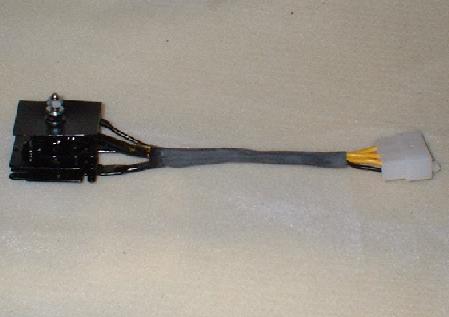
R255a rectifier for 1969~1978
SOHC in-line four cylinder Hondas
$51.00
R255a-H
This part has the same plug as the R255a pictured above and to the right but with 5" wires
inserted into the plug in the proper order for Honda fours. CB350f, CB400f, CB500 four, CB550,
and CB750.
Note: the very early CB500 fours have a pin type terminals in the plug rather than the spade
type terminals like all the other Hondas used. These pin type terminals & plug are no longer
available and the best option is to order a 6PFL plug or the RH-1h harness repair kit below to
go with this rectifier.
SOHC in-line four cylinder Hondas
$51.00
R255a-H
This part has the same plug as the R255a pictured above and to the right but with 5" wires
inserted into the plug in the proper order for Honda fours. CB350f, CB400f, CB500 four, CB550,
and CB750.
Note: the very early CB500 fours have a pin type terminals in the plug rather than the spade
type terminals like all the other Hondas used. These pin type terminals & plug are no longer
available and the best option is to order a 6PFL plug or the RH-1h harness repair kit below to
go with this rectifier.
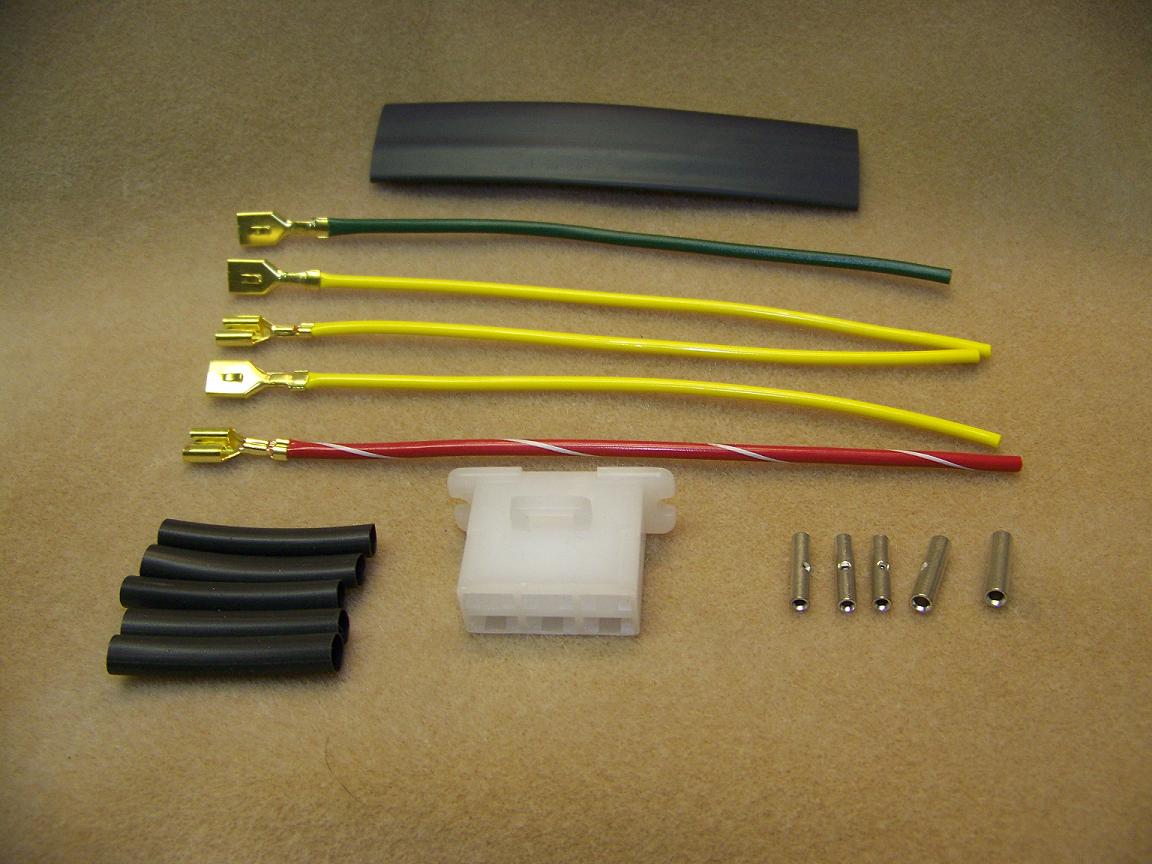
Harness Repair Kit for 1969~1978 Honda Fours.
$10.50
RH-1H
This is to replace a melted or otherwise damaged plug for where the rectifier plugs into the wiring harness on SOHC Honda fours. It can also be used to
convert the early CB500 with the obsolete pin type plug to take the later rectifier used on all the other SOHC fours up to the 1978 models.
The RH-1H repair harness comes with a mating plug for the rectifier above and 6" of heavy duty wire color coded to your bike, 5 wire splices and enough
heat shrink tubing seal the connections.
$10.50
RH-1H
This is to replace a melted or otherwise damaged plug for where the rectifier plugs into the wiring harness on SOHC Honda fours. It can also be used to
convert the early CB500 with the obsolete pin type plug to take the later rectifier used on all the other SOHC fours up to the 1978 models.
The RH-1H repair harness comes with a mating plug for the rectifier above and 6" of heavy duty wire color coded to your bike, 5 wire splices and enough
heat shrink tubing seal the connections.

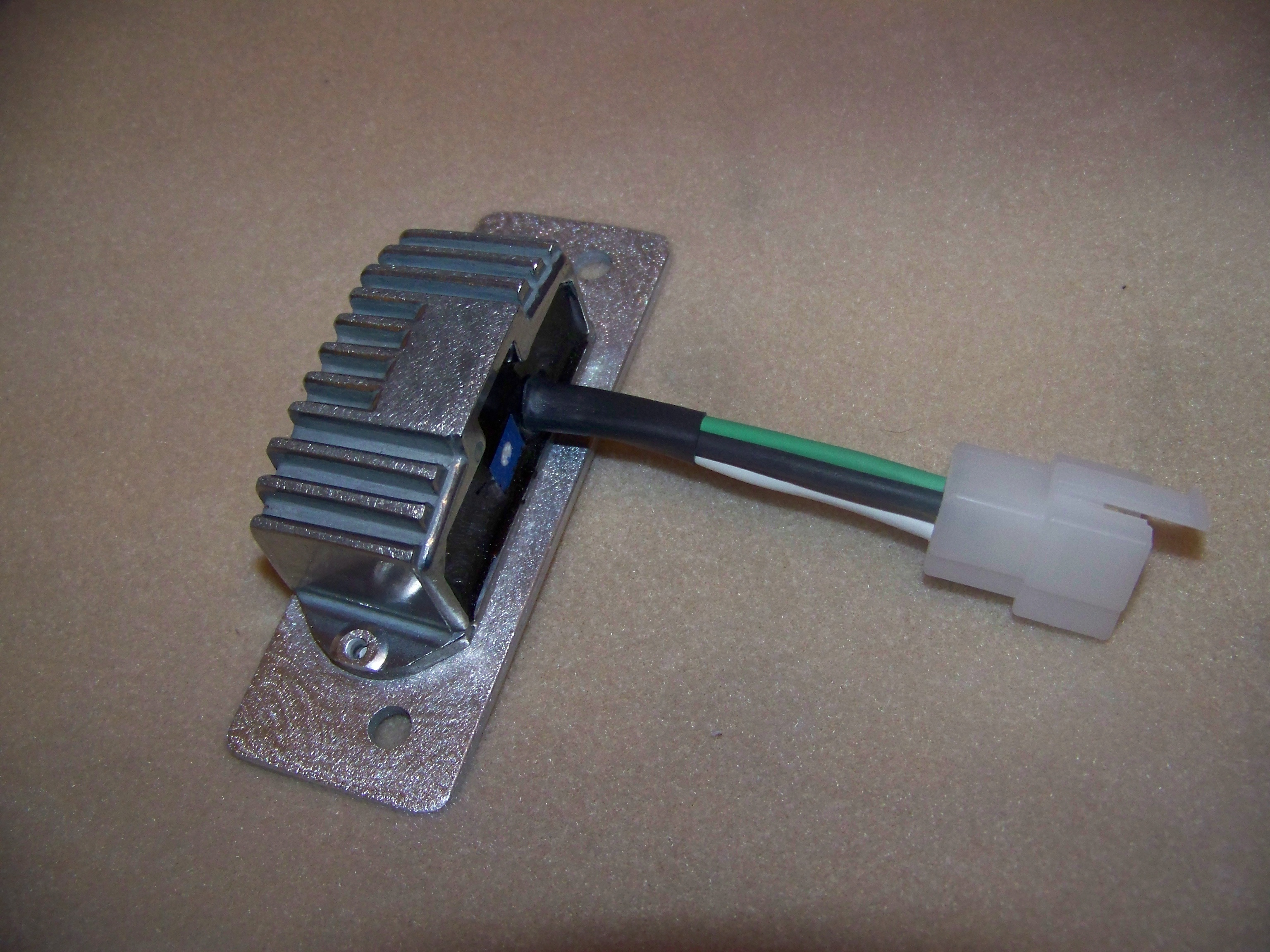
Adjustable Voltage regulator for
1969~1978 SOHC in-line four
cylinder Hondas.
$56.00
VR3-H
1969~1978 SOHC in-line four
cylinder Hondas.
$56.00
VR3-H
This voltage regulator ships with a
pair of 6mm Allen head screws and
you will need a 4mm Allen head
wrench (not included) to install it.
pair of 6mm Allen head screws and
you will need a 4mm Allen head
wrench (not included) to install it.
With this regulator your bike will
idle and 14.2 volts from 1500 RPM
to red line. You can adjust the for
a max output of 14.7v.
idle and 14.2 volts from 1500 RPM
to red line. You can adjust the for
a max output of 14.7v.

Adjustable Voltage regulator for 1969~1978
SOHC in-line four cylinder Hondas.
$56.00
VR3-H3p
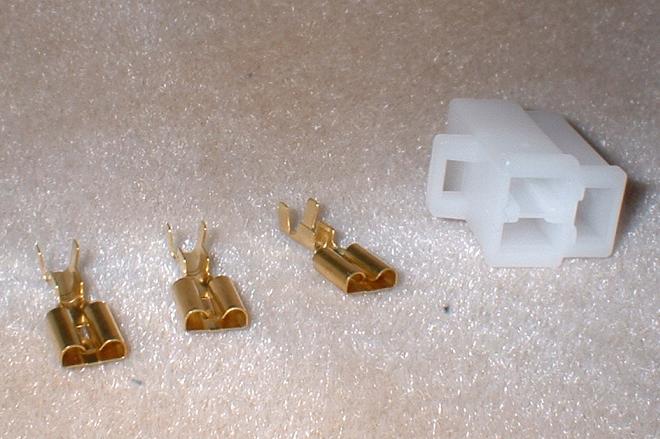
This regulator is the same as above but it has
the 3 prong plug below installed and comes
with a mating plug for you to install on your
bike. This one is best for custom bikes or is
great to replace the old stock regulator
connections on your bike
SOHC in-line four cylinder Hondas.
$56.00
VR3-H3p
This regulator is the same as above but it has
the 3 prong plug below installed and comes
with a mating plug for you to install on your
bike. This one is best for custom bikes or is
great to replace the old stock regulator
connections on your bike
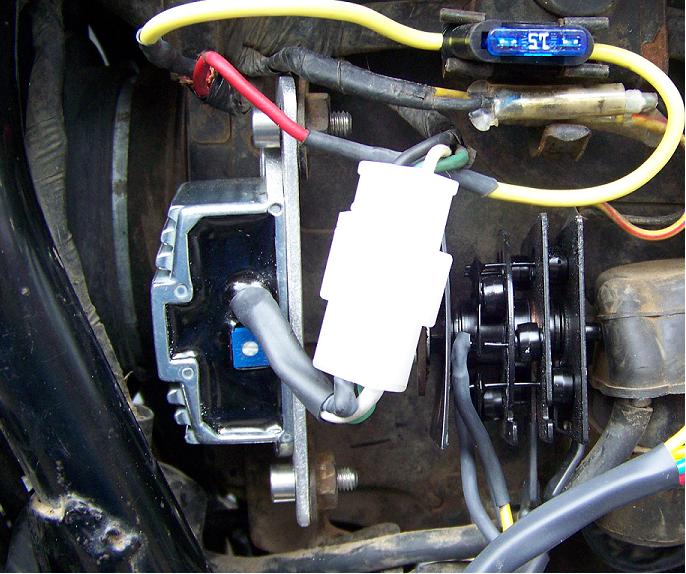
VR3-H3p regulators installed
on a CB350 four.
on a CB350 four.


This digram is for a full custom wiring
harness using the VRREM4-SOHC
harness using the VRREM4-SOHC
| We cannot always make the VRREM-4 and VRREM-7 units fast enough to meet demand so eMail us to check if they're in stock [email protected] |